MOLD? CALL NOW — 24/7 (615) 482-5590
CALL 24/7Mold Remediation Services in Nashville, TN
Mold remediation for homes and businesses in Nashville, from inspection and containment through HEPA-filtered removal, cleaning and drying. Call (615) 482-5590.
Mold needs very little to get started: moisture, something to grow on and a little time. In Middle Tennessee, with humid summers, heavy spring rain and plenty of crawl spaces and basements, moisture is rarely in short supply. Deep Steam Floor Care & Restoration provides mold remediation for homes and businesses in Nashville and the surrounding area, from the initial inspection through containment, HEPA-filtered removal, content cleaning and drying. Call (615) 482-5590 to talk about what you’re seeing.
Why Mold Grows Indoors
When moisture is present, mold can grow on almost any material: drywall, wood framing, carpet backing, ceiling tiles, even dust. Indoors, the problem is concentrated. People can be more sensitive to the effects of microbial growth when it’s contained in an indoor space they spend most of their time in.
The most common sources of moisture we find are:
- Plumbing leaks under sinks, behind toilets and around water heaters
- Roof and window leaks that soak into walls and attic insulation
- Damp crawl spaces and basements, especially after storms
- AC systems and ductwork sweating during humid Nashville summers
- Bathrooms without working exhaust fans
- Water damage that was cleaned up on the surface but never fully dried
Prompt attention to water damage or visible mold can often keep a minor problem from becoming a major one, and helps protect both your health and your property.
Request a Service or Emergency Response
Signs You May Have a Mold Problem
- A musty, earthy smell, especially in a basement, closet or crawl space
- Visible spots or fuzzy growth in black, green, white or gray on walls, ceilings, baseboards or furniture
- Water stains, bubbling paint or warped drywall
- A past leak or flood that took a long time to dry
- Condensation on windows or ductwork that never seems to go away
If you notice any of these, don’t wait for it to spread.
Our Mold Remediation Process
From containment to content cleaning to stabilizing the environment, we handle the whole job.
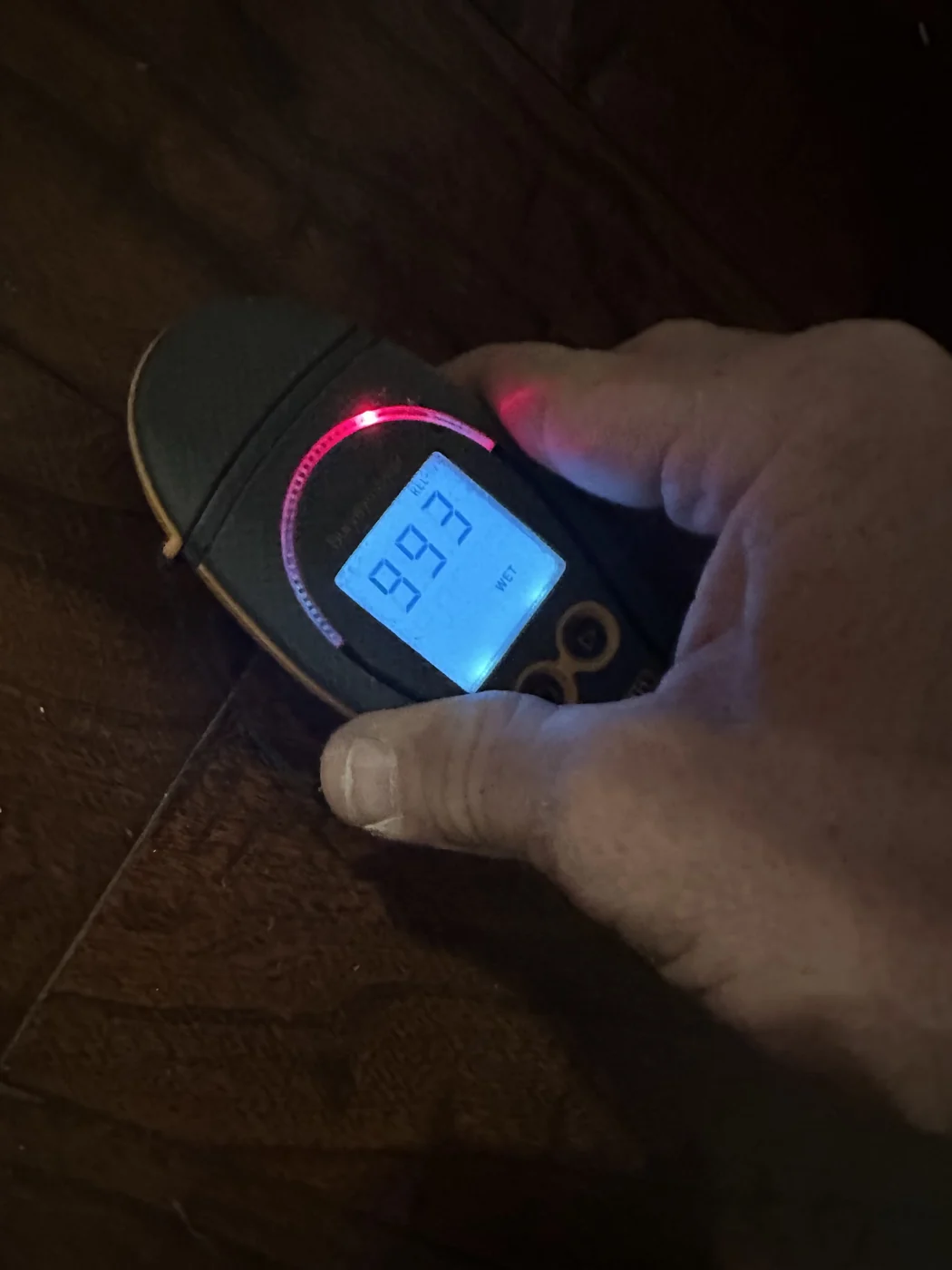
- Initial inspection and scope. Our technicians have the experience and tools to determine how far the damage goes. We look at the visible growth, check surrounding materials for moisture, and identify where the water is coming from.
- Assessment and action plan. You get a clear explanation of what we found and a plan for removal, so you know what will happen and why before work begins.
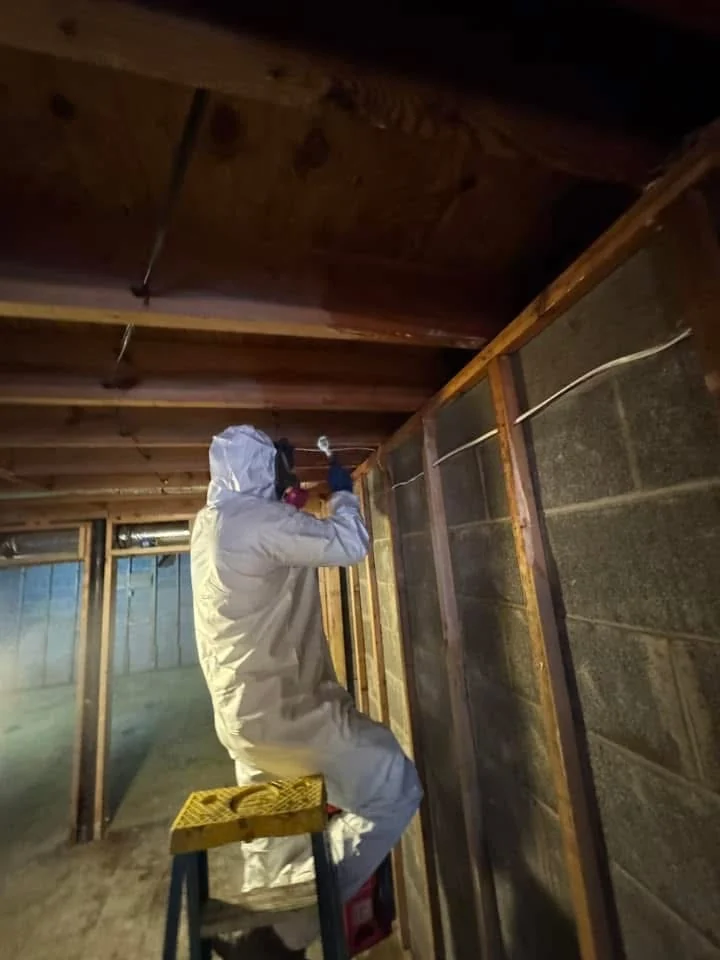
- Containment. The affected area is isolated so mold spores and debris don’t spread to clean parts of the home during removal.
- HEPA filtration. We use high-quality HEPA filtration equipment to capture airborne spores and fine particles while we work.
- Removal and cleaning. Mold-damaged materials that can’t be cleaned, such as soaked drywall or insulation, are removed. Surfaces that can be cleaned are cleaned.
- Content cleaning. Furniture, belongings and soft goods from the affected area are cleaned. That includes carpet, upholstery and area rugs, which we also clean every day as part of our regular work.
- Environment stabilization. Drying and dehumidification bring moisture levels back down so the conditions that caused the growth don’t return.
- Final walk-through. We review the completed work with you and talk about how to keep moisture under control.
Fix the Moisture, or the Mold Comes Back
Removing mold without fixing the moisture source is a temporary fix. A slow drip under a sink, a roof leak or a crawl space that floods in every storm will keep feeding new growth. During the inspection, we’ll show you where the moisture appears to be coming from so it can be repaired.
After remediation, a few habits help a lot:
- Keep indoor humidity in a moderate range, roughly 30 to 50 percent. A dehumidifier is often worth it in basements and crawl spaces.
- Run bathroom fans during showers and for a while after.
- Fix leaks as soon as you find them and dry wet materials right away.
- Keep gutters clean and make sure downspouts carry water away from the foundation.
What to Do Before We Arrive
- Don’t disturb it. Scrubbing, scraping or vacuuming mold with a household vacuum can send spores into the air and spread them through the house.
- Skip the bleach on porous materials. Bleach can lighten the stain on drywall or wood without dealing with the growth underneath.
- Close off the area if you can, and avoid running fans that blow air from the affected space into the rest of the home.
- Note any health concerns. If anyone in the home has asthma, allergies or a weakened immune system, tell us, and talk with a doctor about any symptoms.
Mold Testing
Our inspection looks at visible growth, moisture and how far the damage goes, which is what a remediation plan needs. If you need lab testing or a written clearance report, for a real estate transaction or a health concern, an independent mold assessor can provide it.
Our Client Reviews


Mold Remediation FAQs
A small spot on a hard, non-porous surface can often be cleaned by a homeowner. Larger areas, mold inside walls or growth that keeps coming back usually point to a moisture problem that needs professional help.
A persistent musty smell often means mold or trapped moisture. An inspection can tell you which, and how far it goes.
Materials that are badly damaged and can’t be cleaned, such as soaked drywall, insulation or carpet pad, are removed. Everything that can be cleaned is cleaned.
Yes. Content cleaning is part of our process, including furniture, carpet, upholstery and area rugs.
Yes. Removal disturbs spores, and HEPA filtration helps capture them so they don’t settle in other parts of the home.
Not if the moisture source is fixed and the area stays dry. That’s why we look for the source and stabilize the environment instead of only removing what’s visible.
Yes. Wet materials that aren’t dried properly can grow mold. If you’ve had a leak or flood, see our water damage restoration page.
Yes. We handle mold remediation for homes and businesses.
Along with mold remediation, we provide carpet cleaning, tile and grout cleaning, upholstery cleaning and pet odor treatment, plus water, fire and storm damage restoration.
If you’re seeing or smelling mold, call (615) 482-5590 to schedule an inspection. Deep Steam Floor Care & Restoration is open 24 hours. Main location: 2936 Riverbend Dr, Nashville, TN 37214.
Make your home a home again.
Why Deep Steam for Restoration
One local team handles the water, the drying and the cleanup. We use extraction equipment, air movers, dehumidifiers and moisture meters, take readings until materials are dry, and explain each step in plain terms before work begins. We’re open 24 hours for restoration calls across Nashville and Middle Tennessee: (615) 482-5590.